Chapter 56: Personal and Startup Brand Building
Key Takeaways - Personal brand is professional insurance: In the creator economy, your reputation is your most portable asset. - Startup PR is about credibility first: Before you have a marketing budget, you have a story. - Consistency over intensity: Small, regular actions build a brand better than sporadic bursts of activity.
This chapter provides a toolkit for building your personal brand and a brand for your startup.
Personal Brand Building
Your personal brand is what people say about you when you're not in the room. In the digital age, it's also what Google and AI assistants say about you.
- Define Your Niche: What do you want to be known for?
- Optimize Your Profiles: Ensure your LinkedIn and other social profiles reflect your expertise.
- Create Value: Share your knowledge and findings consistently.
- Engage with Your Community: Build relationships with other professionals in your field.
Startup Brand Building
For a startup, PR is often about building credibility with investors, partners, and early customers.
- Tell Your Origin Story: Why did you start this company? What problem are you solving?
- Focus on Earned Media: Media coverage provides third-party validation that ads can't match.
- Build a Community: Engage with your early adopters and turn them into advocates.
- Be Scrappy: Use low-cost, high-impact Digital PR tactics to get the word out.
By focusing on building strong personal and startup brands, you can create a solid foundation for long-term success.
DPRI CONNECTION
Brand building applies the DPRI Method™ to individuals and new ventures:
- PR Activities: Thought Leadership, Media Relations, Community Relations
- Key Digital Terms: Branded Search Volume, Entity Authority, LinkedIn Engagement
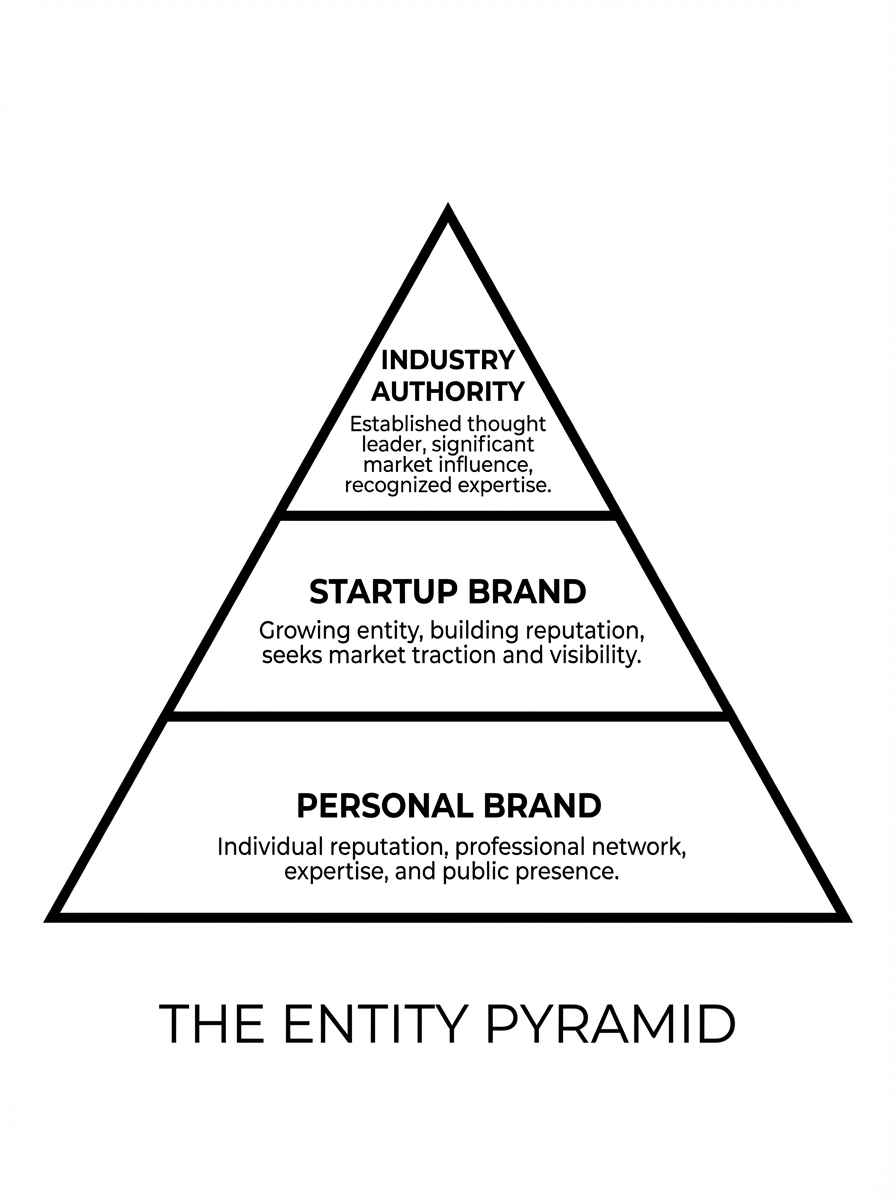
- Core Principle: Personal and startup brands are "entities"—AEO strategy is the key to future visibility
Next: Chapter 57 covers Digital PR Project Planning—the logistics of execution.