Chapter 27: Influence Mapping
Key Takeaways - Start with your audience: Effective mapping begins with a thorough understanding of the specific target audience you want to reach. - Vet for more than just followers: True influence is a combination of relevance, reach, and engagement. - Tiering helps you prioritize: Grouping influencers into tiers allows you to focus your outreach where it will have the most impact. - Verification is essential: Fake followers are common; use tools to verify authenticity before committing budget.
Influence mapping is the process of identifying the key individuals and Key Opinion Leaders (KOLs) in your industry. It is about understanding who your audience listens to and where they go for information. A good influence map is the foundation of any successful advocacy campaign.
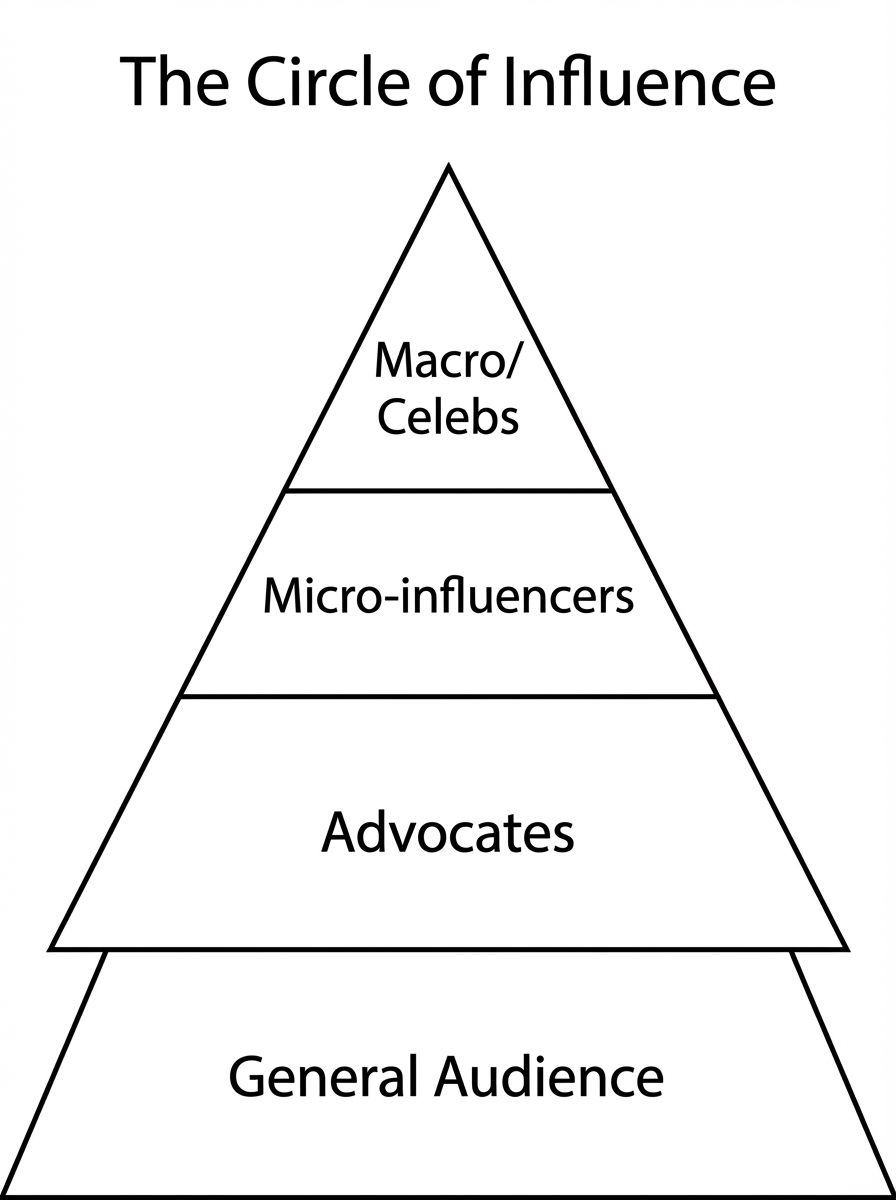
Why Influence Mapping is Important
You cannot work with every creator. You must find the ones who align with your brand values and are trusted by your target audience. Systematic mapping prevents wasted budget and ensures your message is delivered by a credible voice.
The 5-Step Influence Mapping Workflow
- Define Your Target Audience: Be as specific as possible (e.g., "First-time parents interested in sustainable products").
- Identify Key Topics: What questions is your audience asking? What are their pain points?
- Find Potential Influencers: Search for creators who are already answering those questions on social platforms and industry blogs.
- Analyze and Vet: Check for relevance (does their content fit your brand?), reach (size of audience), and engagement (do people actually interact with them?).
- Tier Your List: Categorize influencers into dream collaborators (Tier 1), realistic targets (Tier 2), and emerging micro-influencers (Tier 3).
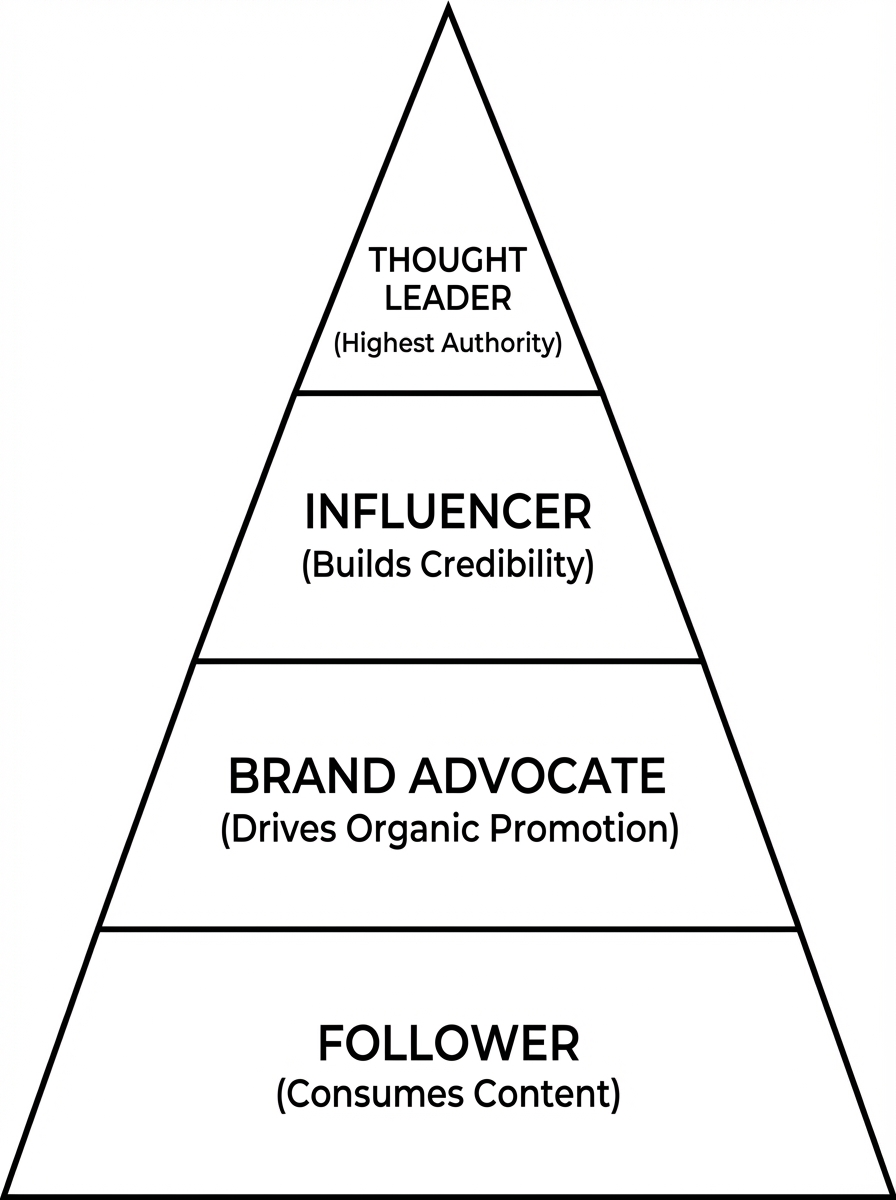
Influencer Landscape in 2026
In 2026, follower count is no longer the primary metric. Brands prioritize micro-influencers (10K-100K followers) because they typically offer 4-8% engagement rates—much higher than celebrity accounts. LinkedIn influence has also become critical for B2B categories, where professional credibility outweighs visual aesthetics.
Vetting Red Flags Watch for sudden follower spikes (indicating bought followers), generic bot-like comments, or a lack of meaningful brand collaboration history. Authentic influencers are willing to share their backend analytics with potential partners.
Chapter 27 Toolkit: Mapping Your Influence
Practical Exercises
Exercise 1: Influence Mapping Sprint Pick a niche relevant to your brand. Find 15 potential influencers and categorize them into three tiers. For each, note their primary platform and one reason why they would be a good fit for a collaboration.
Exercise 2: Fake Follower Audit Choose three influencers you are considering. Use a free verification tool to check their follower growth and engagement authenticity. Decide whether you would still recommend a partnership based on this data.
DPRI CONNECTION
Influence mapping ensures you choose the right partners to drive UGC Volume, Social Engagement, and Referral Traffic. It is the research phase that makes the Influencer Marketing PR activity measurable and effective.
Next: Mapping the landscape is the first step. Chapter 28 explores how leading brands have turned these maps into success stories through authentic partnerships.