Chapter 26: Data-Driven Decision Making for PR and ORM
Key Takeaways - Data replaces guesswork: Use information to understand your audience, create better content, and improve outreach. - Start with a question: A data-driven mindset is about being curious and asking what the data is telling you. - Small data leads to big insights: You do not need complex models to start making smarter decisions. - AI finds patterns; humans provide judgment: The combination of both is the most powerful approach.
Being data-driven means using evidence to make smart choices rather than relying on gut feelings. In Digital PR and Online Reputation Management (ORM), data helps you be more strategic and more effective. This chapter completes Module 5 by showing how measurement becomes strategy.
Why Be Data-Driven?
- Understand Your Audience: Data reveals who your audience is and what they truly care about.
- Create Better Content: Insights show which topics are trending and which formats drive the most engagement.
- Prove Your Value: Evidence is the only way to demonstrate the impact of your work on organizational goals.
How to Use Data Strategically
Content Strategy Instead of guessing, use keyword research to see what your audience is asking. Use website analytics to identify which existing posts are most popular and create more content in those categories.
Media Relations Use SEO data to identify the most relevant and high-authority journalists for your specific story. Quality of fit beats quantity of pitches.
Reputation Management Use social listening to track sentiment trends. A sudden spike in negative mentions is an early warning sign that allows you to act before a crisis escalates.
The Data-Driven Decision Framework
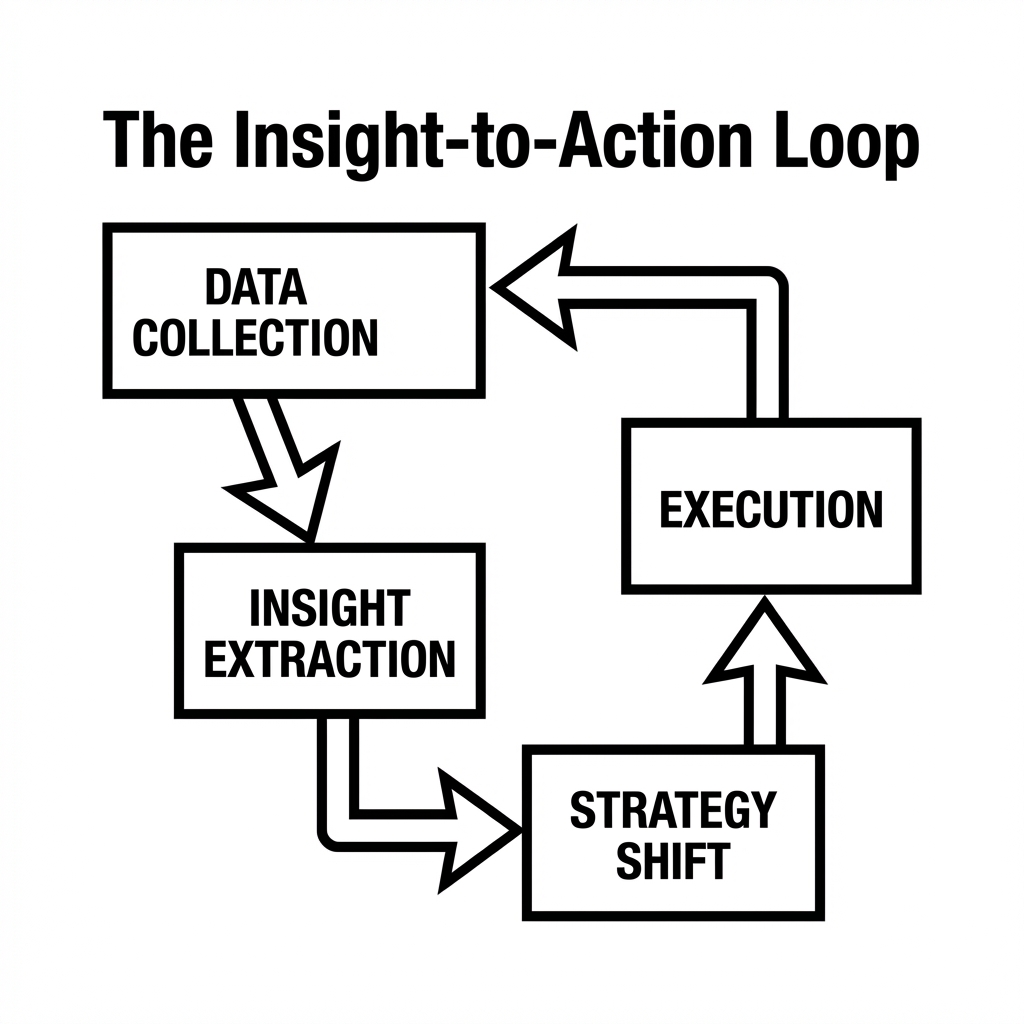
- Observe: What does the data show? (e.g., "Engagement is highest on Tuesdays.")
- Hypothesize: Why might this be? (e.g., "Our audience starts their work week then.")
- Test: How can we verify? (e.g., "Post similar content on different days and compare.")
- Decide: What should we do? (e.g., "Shift our primary posting schedule.")
- Measure: Did it work? (e.g., "Has engagement increased since the change?")
Chapter 26 Toolkit: Making Data-Driven Decisions
Practical Exercises
Exercise 1: A/B Testing Pick one variable to test over two weeks: email subject lines, LinkedIn post formats, or the timing of a press release. Run both versions with similar content and document which performed better and why.
Exercise 2: Competitive Analysis Analyze the last month of activity for three competitors on their primary social platform. Identify which content types and topics got the most engagement for them. Use this data to identify gaps in your own content strategy.
DPRI CONNECTION
Data-driven decision-making ensures that your PR activities are always optimized for the 22 digital outcomes. It moves the DPRI Method from a static model to a dynamic cycle of improvement.
Module 5 Summary: You now understand success measurement, impact metrics, dashboards, attribution, the tool stack, and how to turn data into a strategic advantage.
Next: Having mastered measurement, Module 6 returns to the people who drive digital reach: Influencer and KOL Programs.