Chapter 25: Tools and Technologies for Measurement
Key Takeaways - Start with the essentials: A solid foundation can be built using Google Analytics, native social platform tools, and brand alerts. - Choose the right tool for the job: Different tasks require different specialized tools—SEO tracking is distinct from social listening. - Consistency is key: The specific tools you use matter less than your commitment to using them regularly to track performance over time. - Budget determines tier, not capability: You can measure most DPRI outcomes using free tools if necessary.
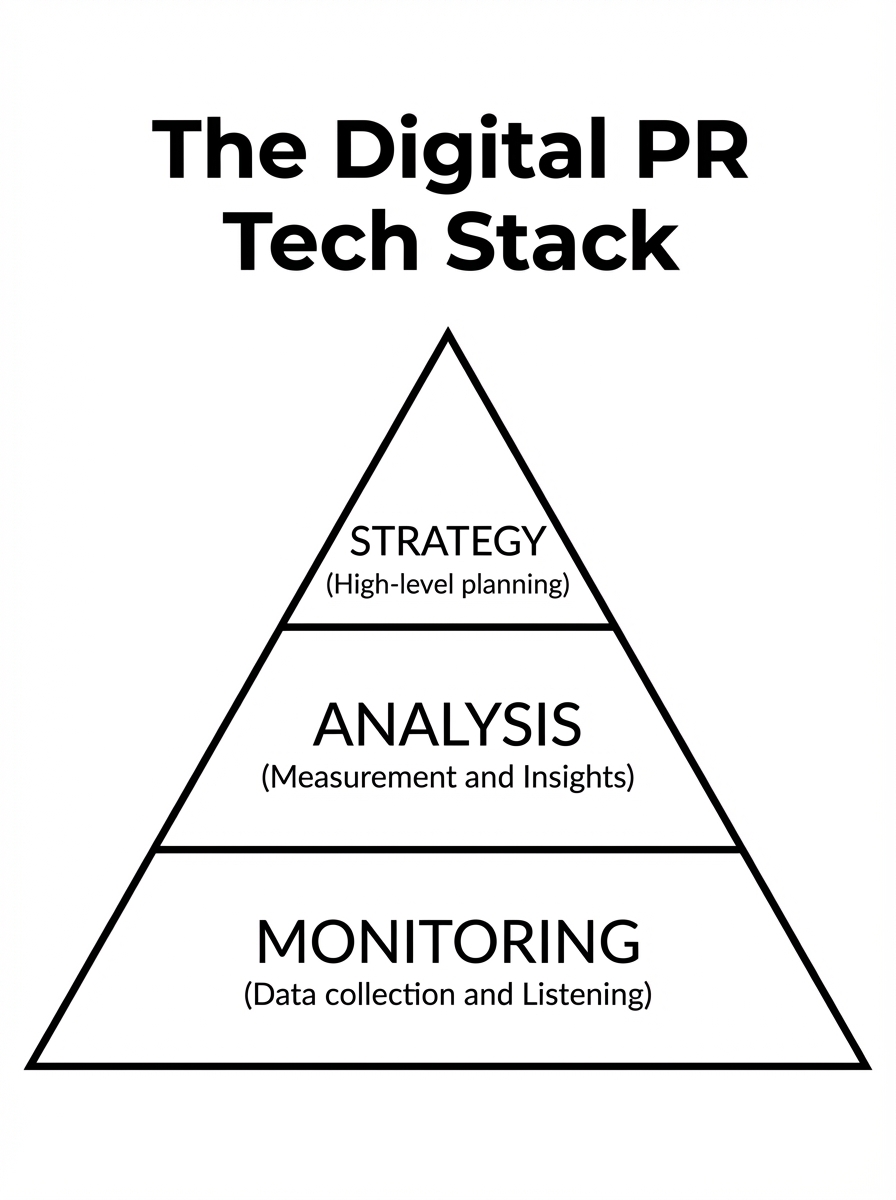
To measure Digital PR success, you need a reliable tech stack. Options range from free, foundational tools to enterprise-grade platforms. The most important factor is choosing a set of tools and using them consistently to track your progress.
The Essential Free Toolkit
- Website Analytics (Google Analytics): The standard for tracking traffic, user behavior, and conversions.
- SEO Monitoring (Google Search Console): Shows the keywords people use to find you and monitors search performance.
- Social Media Analytics: Native dashboards on LinkedIn, X, Instagram, and Facebook provide accurate, platform-specific data.
- Brand Monitoring (Google Alerts): A simple way to receive notifications when your brand is mentioned.
- Visualization (Looker Studio): A powerful tool for creating custom reports from multiple data sources.
Professional and Enterprise Tools
As your needs grow, you may invest in paid solutions:
- SEO Suites (Ahrefs, Semrush): For in-depth backlink monitoring and competitive analysis.
- Social Listening (Brand24, Mention, Sprinklr): For real-time tracking of sentiment and mentions across the entire web.
- Media Databases (Muck Rack, Cision): For finding contact information and managing journalist relationships.
2026 Tool Landscape: AI Integration
AI-powered features are now standard across most measurement tools. These systems automate sentiment analysis, predict content performance, and find emerging topics before they go viral. In this environment, the professional's role is to provide the context and strategy that the software cannot.
Tool Stack by Business Size
- Startups: Focus on the free stack (GA4, Search Console, Google Alerts).
- Small Businesses: Add a budget social listening tool (Brand24 or Mention).
- Established Brands: Invest in a full SEO suite and a dedicated media database.
Chapter 25 Toolkit: Your Measurement Toolbox
Practical Exercises
Exercise 1: Free Tool Setup Sprint Ensure your foundational stack is active. Verify that Google Analytics 4 has defined goals, Search Console is connected to your site, and alerts are set for your brand name and key executives.
Exercise 2: Tool Audit List every tool your team currently pays for. Evaluate the unique value of each and determine if any functions overlap. Identify at least one tool that can be downgraded or consolidated to save budget for high-impact activities.
DPRI CONNECTION
Every tool in your stack should map to a specific digital term in the DPRI Method. Website analytics track referral traffic; SEO tools track backlinks; and social listening tools track sentiment and share of voice.
Next: Tools provide the data, but humans must make the decisions. Chapter 26 explores Data-Driven Decision Making—the art of turning measurement into strategy.