Chapter 28: Influencer Marketing Success Stories
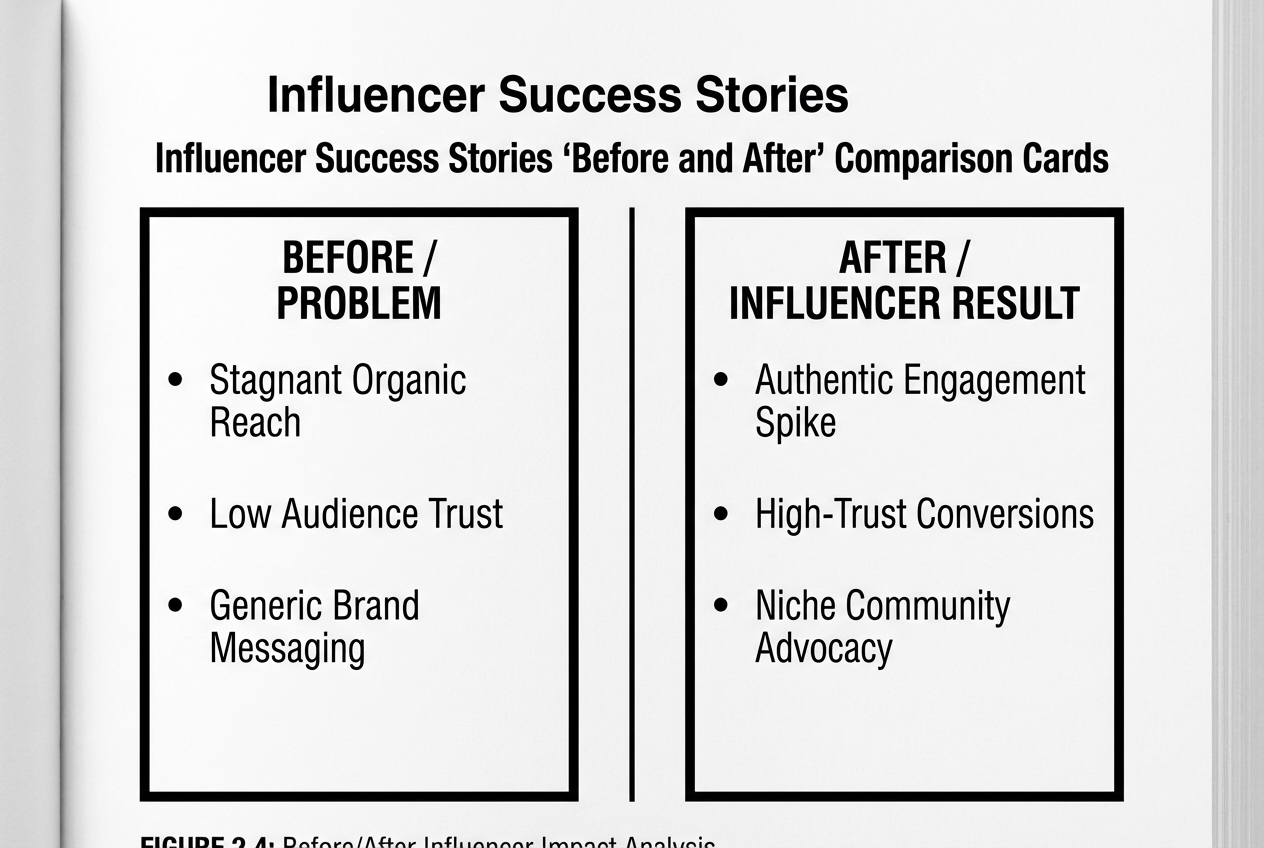
Key Takeaways - Micro-influencers drive scale: A large volume of authentic micro-partnerships can be more powerful than a single celebrity endorsement. - Community is built on long-term relationships: Treat influencers as brand ambassadors, not one-off campaign partners. - Relevance beats reach: Successful campaigns combine cultural insight with specific brand values.
Learning from successful campaigns provides inspiration for your own strategy. This chapter looks at how brands—from global giants to local leaders—have used influencer marketing to drive meaningful business results.
Daniel Wellington: Volume Over Celebrity
The watch brand succeeded by sending products to a massive number of micro-influencers rather than a few celebrities. By providing each with a unique discount code, they turned social posts into a scalable sales engine. Key Lesson: You do not need a massive budget if you have a scalable strategy for authentic recommendations.
Gymshark: The Ambassador Model
Gymshark built its brand by creating long-term relationships with fitness influencers who became "Gymshark Athletes." These ambassadors provided consistent visibility and built a loyal community around the brand. Key Lesson: Long-term advocacy is more powerful than short-term sponsorship.
Cannes Lions PR Winners: World-Class Impact
Cadbury (Shah Rukh Khan-My-Ad): Used AI to let a superstar "promote" thousands of local small businesses. Key lesson: Combining celebrity reach with hyper-local personalization creates unprecedented engagement.
Specsavers (The Misheard Version): Used a cultural moment and humor to destigmatize hearing loss. Key lesson: Creative storytelling can solve difficult business problems.
The 2026 Shift
Successful brands have moved away from transactional "posts for pay." In the current landscape, influencers are given more creative freedom to ensure content feels native to their platform. Affiliate and performance-based models are now standard, ensuring that partnerships drive conversions rather than just impressions.
Chapter 28 Toolkit: Learning from the Pros
Practical Exercises
Exercise 1: Case Study Deep Dive Pick a brand you admire. Research their influencer strategy: do they use one-off campaigns or long-term ambassadors? Which platforms do they prioritize? Identify three tactics they use that you could adapt for your own brand.
Exercise 2: Sponsored Content Analysis Review three sponsored posts in your feed today. Analyze whether the disclosure is clear, whether the content feels authentic, and whether you would be motivated to take action. Rate each post for its effectiveness as a PR asset.
DPRI CONNECTION
Success stories prove that influencer advocacy drives the full DPRI chain: from UGC volume and engagement to referral traffic and sales conversions.
Next: Seeing success is one thing; planning for it is another. Chapter 29 introduces The Case Method—a systematic framework for planning and executing your own influencer programs.