Chapter 22: Measuring PR Impact on Business Outcomes
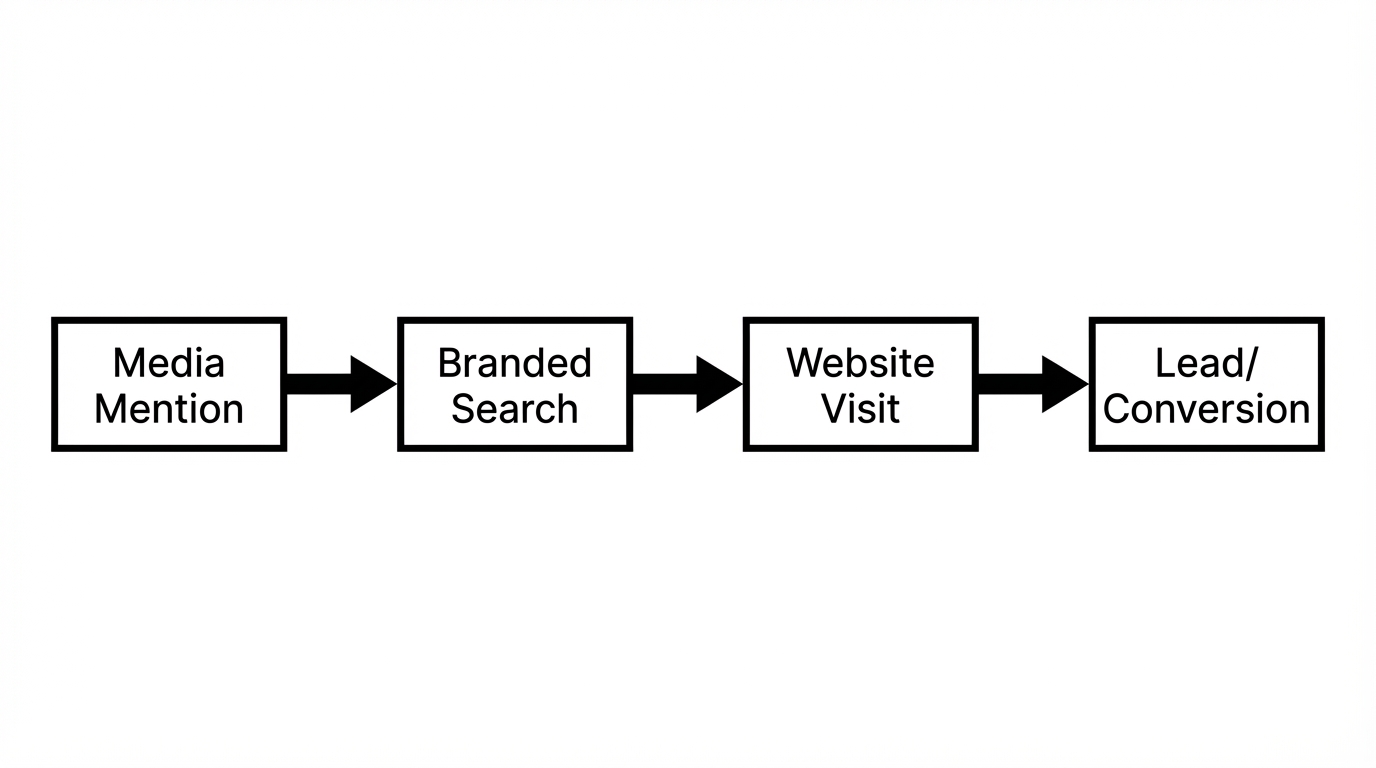
Key Takeaways - Connect PR to website traffic: Use referral reports to see exactly how much traffic your media placements are driving. - Measure the SEO effect: Track the growth in backlinks and rankings to demonstrate long-term value. - Tie efforts to business goals: The most powerful measurement connects PR to concrete results like lead generation and sales. - The attribution chain is measurable: Coverage leads to traffic, which leads to engagement, conversion, and revenue.
How do you know if your Digital PR campaign is making a difference? This chapter looks at specific ways to measure impact across the full DPRI attribution chain.
Tracking Website Traffic from PR
One of the most direct ways to measure impact is to monitor how many people visit your site because of your PR efforts.
- Referral Traffic: Analytics tools show you traffic from other websites. When you secure a media placement with a link, you can see exactly how many visitors clicked through.
- Campaign URLs (UTM codes): Use trackable links to identify the source of your traffic with precision. Consistency in your naming conventions is essential for clean data.
Measuring SEO Impact
Digital PR builds the authority search engines recognize.
- Backlink Growth: Use SEO tools to track the quantity and, more importantly, the quality of new backlinks. A single link from a high-authority news site is more impactful than dozens of links from low-quality blogs.
- Keyword Rankings: Monitor your ranking for important keywords. Effective PR should lead to ranking improvements over time.
Measuring Social Media Impact
- Share of Voice: Measure how much of the industry conversation is about your brand compared to competitors. A 20% share of voice typically indicates market leadership.
- Engagement Rate: Track the percentage of your audience that interacts with your content. Benchmarks vary by platform, but consistently rising rates indicate building community.
Connecting PR to Business Goals
The most important metrics are tied to real results:
- Lead Generation: Track how many visitors from PR sources sign up for newsletters or download resources. Use dedicated landing pages to simplify this tracking.
- Sales: In B2C contexts, use unique discount codes for different influencers or podcasts to track direct revenue generated by each partnership.
Campaign Benchmarks
A high-performing campaign should aim for high-authority backlinks (DA 70+) and a lead conversion rate of 2-5% from the resulting referral traffic.
Chapter 22 Toolkit: Proving Your Impact
Practical Exercises
Exercise 1: UTM Code Creation Use an online campaign URL builder to create a trackable link for a hypothetical influencer campaign. Define the source, medium, and campaign name to ensure every click is attributed correctly.
Exercise 2: Calculate Your PR ROI Use the formula: (Value Generated - PR Cost) / PR Cost x 100. For example, if a campaign cost 3,00,000 and generated 4,50,000 in revenue, the ROI is 50%. Calculate this for your last major campaign using real numbers.
DPRI CONNECTION
This chapter operationalizes measurement for specific activities. The benchmarks provided give you targets for each DPRI correlation, showing how coverage turns into traffic and eventually into revenue.
Next: Measurement generates data, but data needs to be visualized to be useful. Chapter 23 covers KPIs and Dashboards—how to make your results clear to every stakeholder.