Chapter 43: Case Study: Failed Campaigns and Lessons Learned
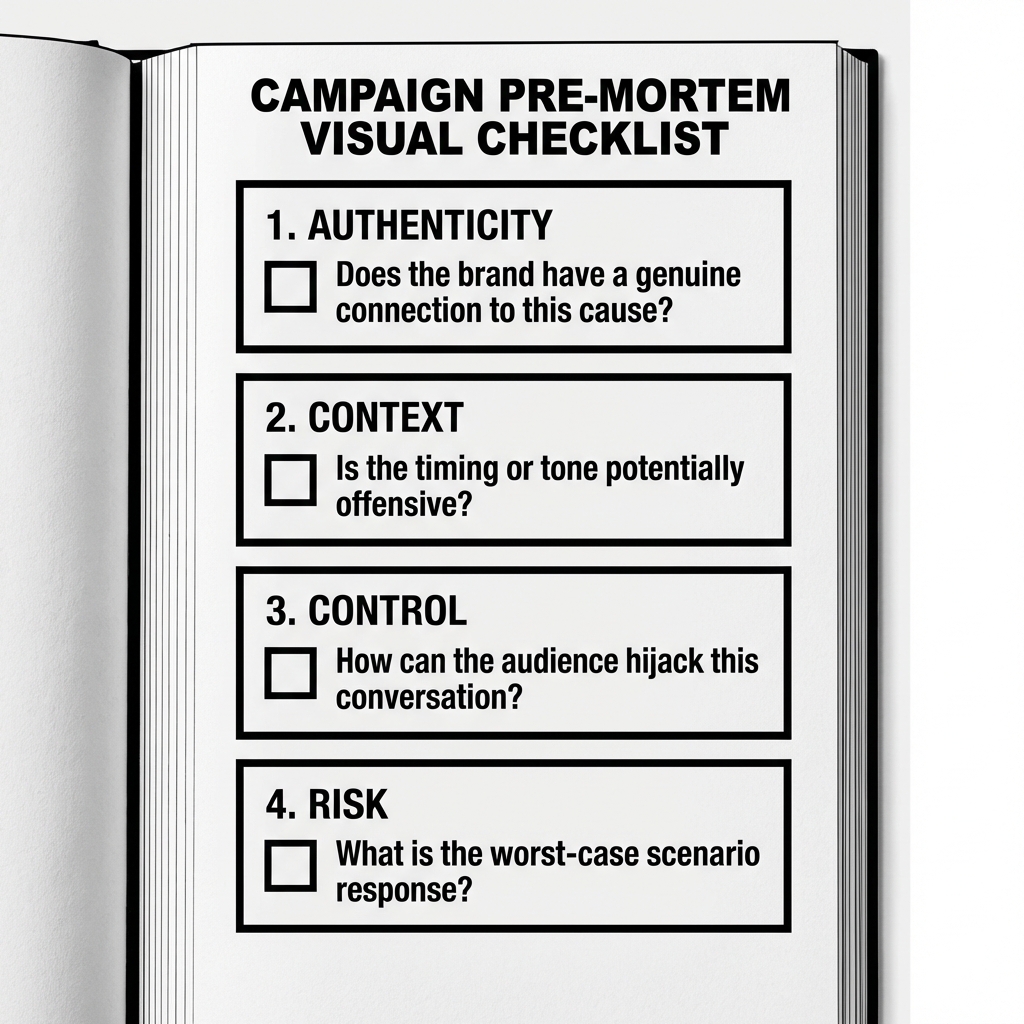
Key Takeaways - Authenticity is mandatory: Campaigns fail when they attempt to co-opt social movements for profit. - Context is everything: Lighthearted content must never be mixed with serious real-world violence. - You do not control the conversation: If you invite your audience to participate, be prepared for criticism.
We often learn more from a failure than a success. This chapter examines three campaigns that went wrong.
Pepsi: The Authenticity Gap
A commercial featuring a celebrity trivializing social justice protests for a product was met with immediate global backlash. The Lesson: Be extremely careful when connecting a brand to social issues. If it lacks a genuine, long-term connection to the cause, it will backfire.
U.S. Air Force: Tone-Deaf Trends
A tweet attempting to participate in a lighthearted viral meme while making light of a violent conflict was widely condemned. The Lesson: Newsjacking is powerful, but context is everything. Never use a "silly" internet trend to talk about serious human consequences.
McDonald's: Hijacked Hashtags
A campaign meant to encourage happy memories was quickly taken over by critics sharing negative experiences. The Lesson: You do not own a hashtag. When you invite a conversation, you must be prepared for the parts you do not want to hear.
Chapter 43 Toolkit: Learning from Failure
Practical Exercise
Exercise: Campaign Pre-Mortem For a campaign you are planning, ask: Who might this offend? How could this be misinterpreted? Are we prepared for a negative response? Create a plan for the worst-case scenario.
DPRI CONNECTION
Campaign failures lead to spikes in negative Sentiment and a loss of Narrative Control. These cases emphasize the need for ethical alignment and risk assessment in every PR Activity.
Next: Having analyzed failures and successes, Chapter 44 provides a guide for tailoring these strategies to different industries.