Chapter 18: The Social Intelligence System: Escalation, Routing, and Dashboards
Key Takeaways - Systems create efficiency: A clear escalation matrix and routing plan enable your team to handle issues consistently. - Not all problems are equal: Differentiate between minor issues and true crises to involve the right people at the right time. - You can't manage what you don't monitor: A real-time dashboard is essential for spotting trends before they escalate. - The Social Intelligence System connects listening to action: Monitoring without a response capability is ineffective.
Managing a brand's online reputation requires a system for handling customer interactions. The Social Intelligence System is the infrastructure that connects listening to response and measurement.
Escalation Matrix: Knowing When to Get Help
An escalation matrix tells your team when to ask for help. Not every problem needs to be seen by the CEO.
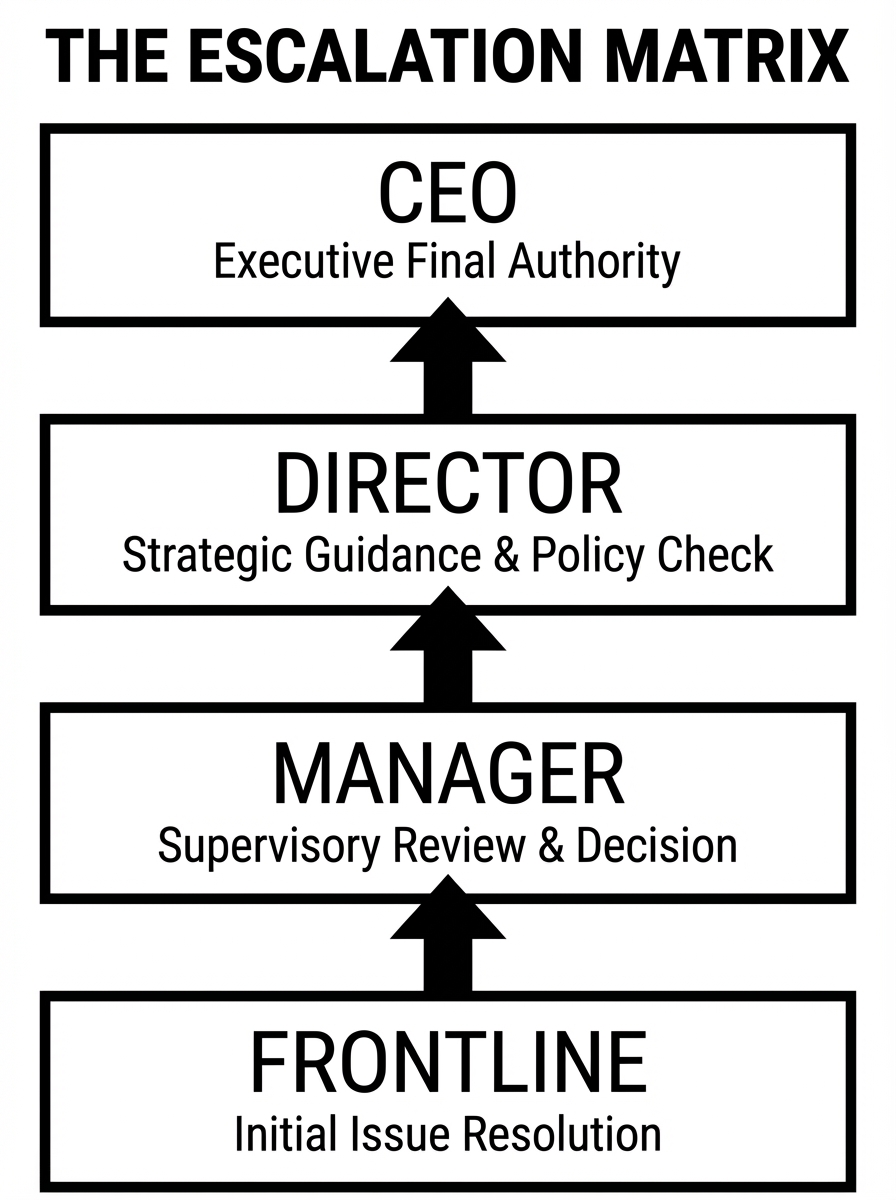
- Level 1: Frontline Support (Social Media Manager): Handles simple questions and minor complaints. Action: Respond directly and solve the issue.
- Level 2: Management (PR Manager): Handles sensitive issues or angry customers. Action: Coordinate with other departments and approve statements.
- Level 3: Senior Leadership (CEO, Legal): Handles full-blown crises with safety, legal, or major media implications. Action: Make high-level decisions and act as the official spokesperson.
Complaint Routing
Routing is the process of ensuring a customer's problem reaches the department that can solve it. A social media manager's job is not to fix a technical bug, but to get that complaint to the technical team as quickly as possible.
Real-Time ORM Dashboards
A dashboard provides a quick overview of what is being said about your brand online. It should include: - A feed of brand mentions on social media. - A feed of new online reviews. - A chart showing sentiment ratio (positive, negative, neutral). - Alert thresholds for when mention volume or negative sentiment spikes unusually.
ORM Dashboard Tools (2026)
| Tool | Best For |
|---|---|
| Brand24 | Small-medium brands; easy setup. |
| Mention | PR teams; strong competitive monitoring. |
| Sprinklr | Enterprise; full suite integration. |
| Locobuzz | Focus on vernacular language support. |
| Google Alerts | Budget startups; basic brand tracking. |
Chapter 18 Toolkit: Building Your ORM System
Practical Exercises
Exercise 1: Escalation Decision Tree Create a flowchart for your team. Start with a common customer complaint and define the nodes: Is there a safety concern? Is the customer highly influential? Are multiple people reporting it? Use these to determine whether to resolve at Level 1 or escalate immediately.
Exercise 2: Complaint Routing Map List ten common complaint types for your business. For each, identify the department responsible, the primary contact person, and the expected resolution time.
DPRI CONNECTION
The Social Intelligence System is the infrastructure that makes crisis response actionable. It allows you to monitor sentiment and share of voice in real-time, providing the data needed to prevent minor issues from becoming major crises.
Next: Systems help you respond, but what happens when damage has already occurred? Chapter 19 covers Reputation Restoration—the long-term work of rebuilding trust.