Chapter 11: Essential Skills and Tools for Content Creation
Key Takeaways - Skills are the foundation: Strong writing, storytelling, and research skills are more important than any single tool. - Start with a process: A simple, repeatable process brings structure to your creativity and ensures consistent quality. - Free tools are powerful: You can create professional-quality content using a suite of free and accessible tools like Canva, Grammarly, and Google Docs. - AI changes the game—but not the fundamentals: AI accelerates production, but human judgment determines quality.
Good content is at the heart of Digital PR. It's what you use to tell your brand's story, attract an audience, and earn media coverage. In the DPRI framework, content is the bridge between PR activities and digital outcomes—without compelling content, there's nothing to share, nothing to link to, nothing to measure.
This chapter covers the key skills and tools you need to create great content in 2026.
Essential Skills for Content Creators
| Skill | What It Means | Why It Matters for DPRI |
|---|---|---|
| Writing | The ability to write clearly and concisely | Foundation for all PR Activities—from pitches to blog posts |
| Storytelling | Turning ideas into compelling narratives | Creates emotional connection that earns coverage and shares |
| Research | Finding reliable data and fresh angles | Establishes credibility; original data earns backlinks |
| SEO Knowledge | Keyword research and content optimization | Ensures content is discoverable (SEO outcomes) |
| Creativity | Generating ideas that capture attention | Differentiation in a crowded content landscape |
| Basic Design | Creating simple, attractive visuals | Increases shareability and engagement |
| AI Collaboration | Using AI tools effectively while maintaining quality | Accelerates production without sacrificing judgment |
REALITY CHECK: AI Has Averages
AI tools can produce content faster than ever. But AI produces average content—the statistical mean of everything it's trained on. The content that earns coverage, backlinks, and engagement is content that's above average: original insights, unique data, compelling perspectives.
Your job isn't to compete with AI on speed. It's to add what AI can't: judgment, experience, taste, and the kind of insights that come from actually doing the work.
The Content Creation Workflow: A Step-by-Step Checklist
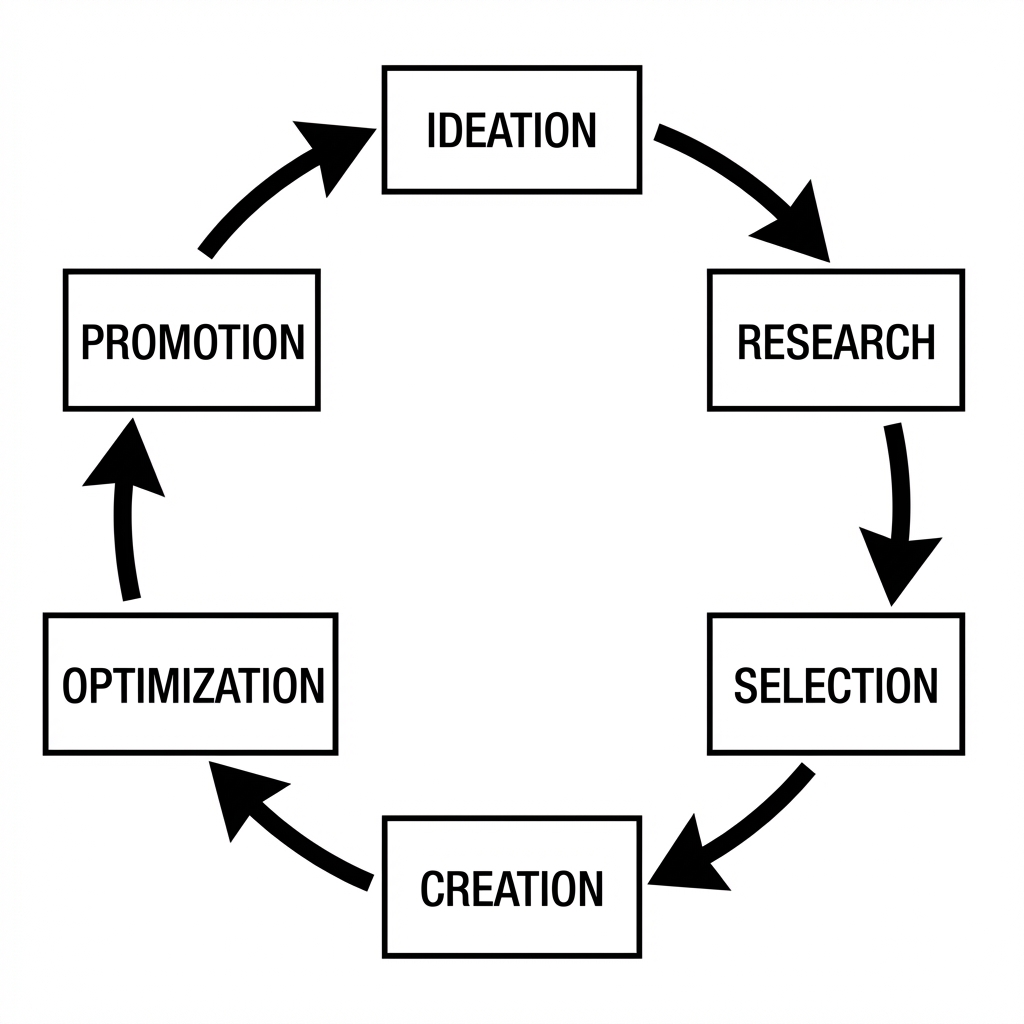
- [ ] Ideation: What question will you answer for your audience? (Use tools like AnswerThePublic to find ideas).
- [ ] Research: What unique data, findings, or angles can you bring to the topic?
- [ ] Format Selection: What is the best format for this idea? (e.g., Blog post, video, infographic).
- [ ] Creation: Write the script, film the video, or design the graphic.
- [ ] Editing & SEO: Proofread the content and optimize it for search (e.g., add keywords to the title).
- [ ] Publication & Promotion: Publish the content on your website and promote it across all your channels.
Tools for Content Creation (2026)
You don't need expensive software. Here's the toolkit stack organized by budget:
| Category | Free Tools | Paid Tools (Worth It) | Cost |
|---|---|---|---|
| Writing & Ideas | Google Docs, AnswerThePublic | Grammarly Pro, Jasper | ₹1,000-8,000/mo |
| SEO | Google Keyword Planner, Ubersuggest | Ahrefs, Semrush | ₹8,000-20,000/mo |
| Design | Canva Free, Pexels, Unsplash | Canva Pro, Figma | ₹500-2,000/mo |
| Video | CapCut, InShot | Descript, Opus Clip | ₹1,500-5,000/mo |
| AI Assistants | ChatGPT Free, Claude Free | ChatGPT Pro, Claude Pro | ₹1,600-3,000/mo |
| Screen Recording | Loom Free | Loom Pro | ₹1,000/mo |
FIELD MANUAL: The Minimum Viable Content Stack
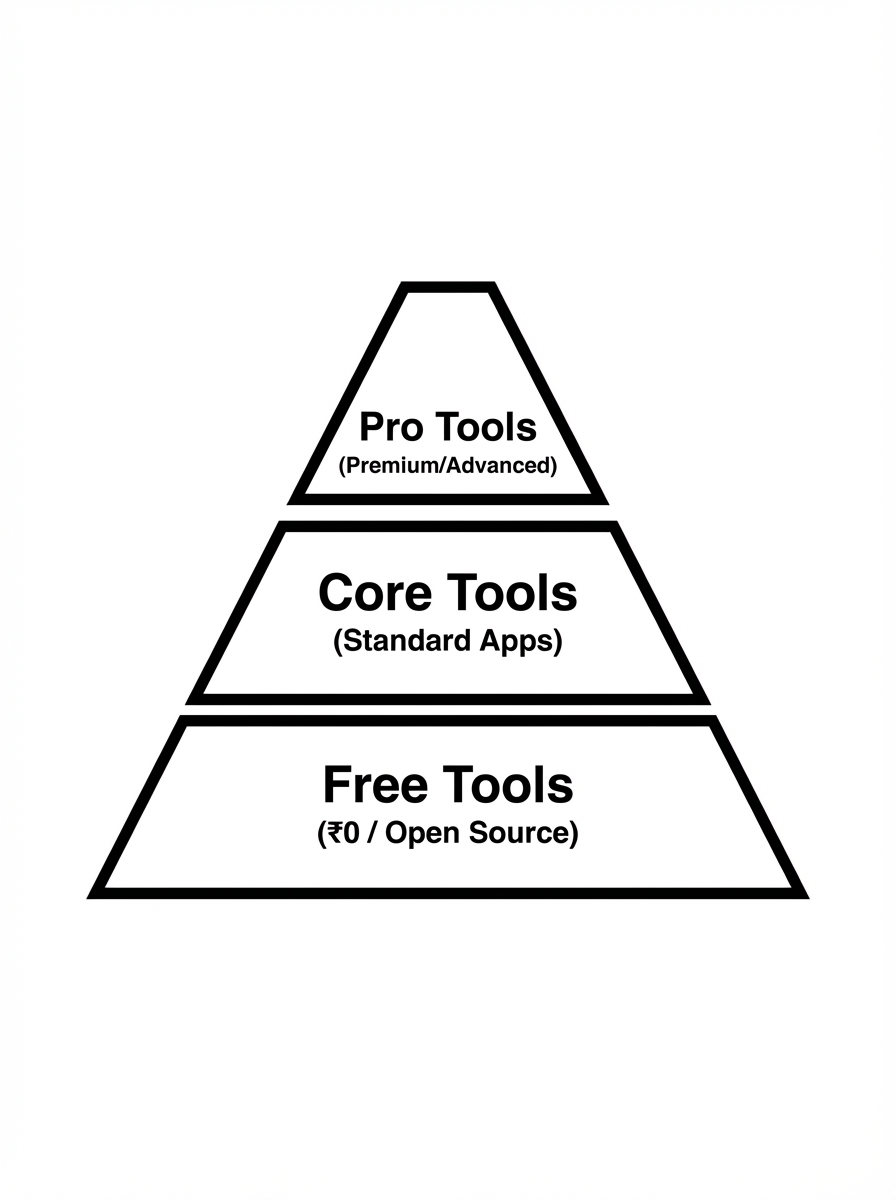
If you're starting with zero budget: 1. Google Docs (writing) 2. Canva Free (graphics) 3. CapCut (video) 4. ChatGPT Free (ideation, not final drafts) 5. AnswerThePublic (content ideas)
This stack costs ₹0 and can produce professional-quality content. The tools matter less than the skills.
Content Formats to Consider
- Blog Posts: The foundation of most content strategies.
- Infographics: Great for presenting data visually.
- Videos: Highly engaging and great for storytelling.
- Case Studies: Excellent for building trust.
- E-books or Guides: Ideal for lead generation.
Chapter 11 Toolkit: Your Content Creation Starter Kit
Practical Exercises
Exercise 1: Content Idea Generation (30 minutes) 1. Pick a topic relevant to your business or interest 2. Go to AnswerThePublic.com and enter your topic 3. Find three questions people are asking 4. For each question, decide the best format to answer it
Example Output: | Question | Best Format | Why | |----------|-------------|-----| | "How do I start a podcast?" | Step-by-step blog post | People want detailed instructions they can follow | | "Podcast vs YouTube which is better?" | Comparison video | Visual side-by-side works well for comparisons | | "Podcast equipment for beginners" | Infographic | Equipment lists are easier to scan visually |
Exercise 2: Write-Edit-Rewrite (45 minutes) 1. Write a 200-word piece on any topic without editing 2. Run it through Grammarly and fix all suggestions 3. Cut the word count by 30% while keeping the meaning 4. Compare your first draft to final version
This exercise builds the most valuable content skill: editing ruthlessly.
Exercise 3: One-Hour Content Sprint Set a timer for 60 minutes and produce one complete piece: - 0-10 min: Research and outline - 10-40 min: Write/create - 40-55 min: Edit and optimize - 55-60 min: Add images/formatting
The constraint forces you to stop perfectionism and ship.
DPRI CONNECTION
This chapter's concepts relate to:
- PR Activity: Content Marketing
- Key Digital Terms: Blog Traffic, Time on Page, Social Shares, Lead Generation
- Core Correlation: Content Creation Skills → Quality Content → Engagement → SEO Outcomes
Content is the foundation of every PR activity in the DPRI Method™. Every media pitch needs a landing page. Every influencer campaign needs shareable assets. Every crisis response needs clear communication. The skills in this chapter power all 11 PR Activities.
Next: Chapter 12 covers Storytelling for Digital PR—how to turn information into narratives that earn coverage.