Chapter 33: Immersive Content: VR, AR, and the Metaverse
Key Takeaways - Immersive technologies create experiences: VR, AR, and the metaverse go beyond traditional content consumption to create interactive brand moments. - AR is the most practical today: Augmented Reality, experienced through smartphones, is the most accessible immersive technology for most brands. - 2026 Reality: AR filters and 360-degree video deliver real ROI, while the broader "Metaverse" remains niche. - Know when to wait: Invest in immersive only if visualization directly helps your audience make a decision.
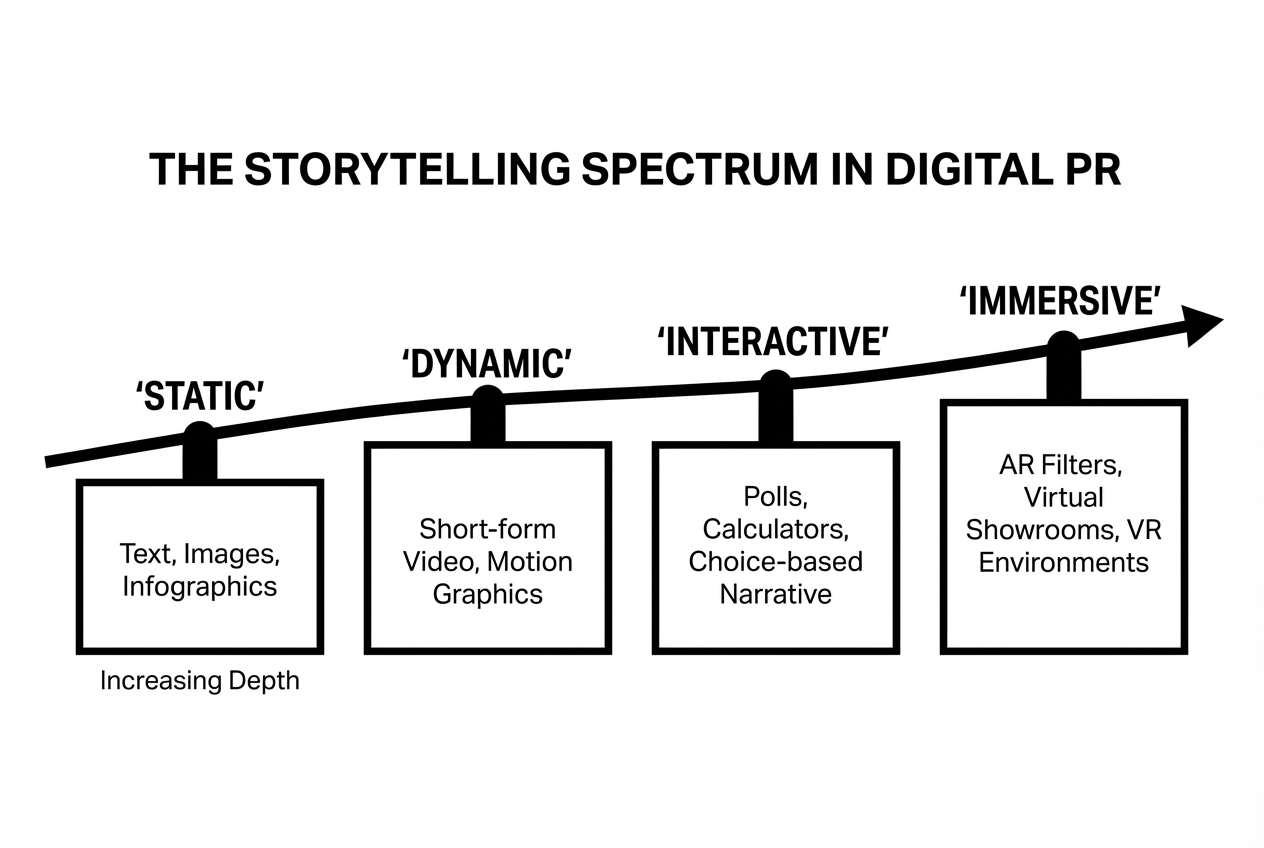
Immersive content refers to technologies like Virtual Reality (VR), Augmented Reality (AR), and 360-degree media. These tools create new ways for brands to tell stories and interact with audiences.
Virtual Reality (VR)
VR uses headsets to replace the real world with a computer-generated environment. It is ideal for virtual events, immersive documentaries, or high-end product tours.
Augmented Reality (AR)
AR overlays digital information on the real world, typically through a smartphone camera. This is the most practical immersive tool today, used for interactive product demos and social media filters. Example: Furniture apps that let you see how an item looks in your room before you buy.
Immersive Content in 2026
The initial hype has faded, leaving behind practical applications that deliver results. AR product try-ons (for cosmetics, glasses, or furniture) and 360-degree tours (for real estate and education) have proven ROI. General "metaverse" spaces have less traffic and are currently reserved for experimental marketing.
Chapter 33 Toolkit: Immersive Strategy
Practical Exercises
Exercise 1: AR Feasibility Analysis Evaluate your product or service. Would visualization through AR actually help a customer make a purchase decision? If so, identify which platform (e.g., Instagram or your own app) would be the best starting point.
Exercise 2: 360-degree Content Planning Plan a virtual tour of your facility. Identify 5-7 key locations that tell your brand's story. Define how this content will be distributed (e.g., website or Google Business Profile).
DPRI CONNECTION
Immersive content targets Engagement Rate and Time on Page metrics. When used correctly, it provides transparency and utility that traditional content cannot match, strengthening Brand Perception.
Next: Navigating these technologies requires a new kind of professional. Chapter 34 explores the skills needed to build a future-ready PR team in 2026 and beyond.