Chapter 8: Influencer and KOL Engagement
Key Takeaways - Relevance over reach: A micro-influencer with a highly engaged niche audience often delivers more value than a mega-influencer with passive followers. - Authenticity is everything: The most successful partnerships are with influencers who genuinely align with your brand's values. - UGC is the multiplier: Great influencer campaigns generate user-generated content that extends far beyond the original partnership. - The Rolodex is dead: Influence is now distributed across platforms, formats, and niche communities.
Influencer Marketing Flywheel Strategy
This presentation covers the flywheel approach to building sustainable influencer partnerships.
An influencer is someone who has built a loyal following and can persuade their audience to take action. A Key Opinion Leader (KOL) is a respected expert whose endorsement carries professional credibility.
In the modern landscape, influence is about trust and relevance, not just follower count.
Why Work with Influencers and KOLs?
Trust: Consumers trust recommendations from individuals over brands. Influencer content feels like advice from a friend.
Reach: They provide access to targeted audiences that may be otherwise impossible to reach.
Content: A good partnership produces assets you can repurpose across all your channels.
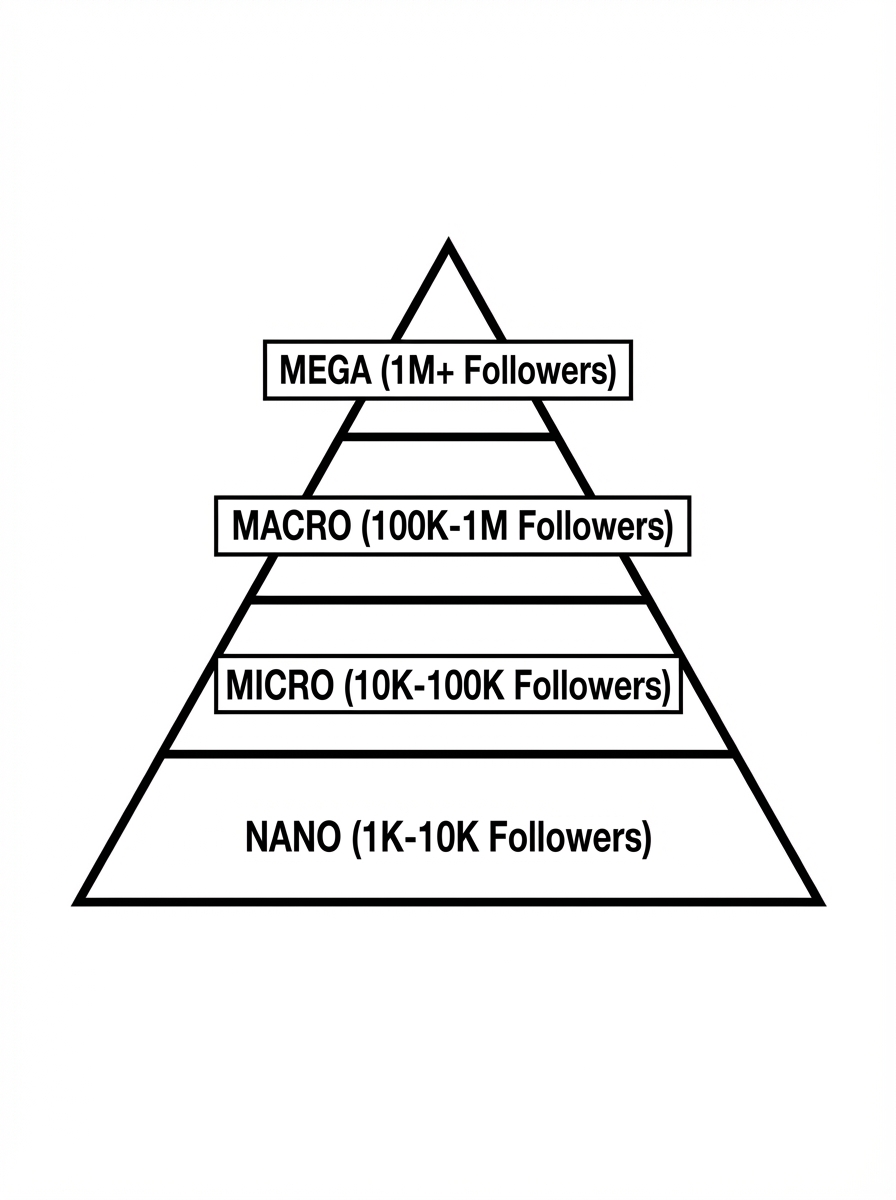
The Influencer Tier System
| Tier | Follower Count | Engagement | Best For |
|---|---|---|---|
| Nano | 1K-10K | 8-15% | Local authenticity |
| Micro | 10K-100K | 4-8% | Niche targeting |
| Macro | 100K-1M | 2-4% | Broad awareness |
| Mega | 1M+ | 1-2% | Celebrity effect |
| KOL | Varies | High | Professional credibility |
Choosing the Right Tier
If your goal is mass awareness, go for Mega influencers. If you need niche targeting and better conversions, Micro influencers are the better choice. For professional credibility, prioritize KOLs.
How to Run an Influencer Campaign
Step 1: Set Clear Goals Define what you want to achieve: awareness, engagement, traffic, or sales.
Step 2: Find the Right Influencers Look for audience alignment, content quality, and engagement authenticity. Watch for red flags like sudden follower spikes or generic bot comments.
Step 3: Reach Out Authentically Send personalized messages explaining why you chose them and what the value is for their audience.
Step 4: Brief Clearly, Then Let Go Provide objectives and key messages rather than scripts. Give them creative freedom; they know their audience best.
Step 5: Measure and Attribute Track direct metrics like views and engagement alongside DPRI outcomes like UGC volume and referral traffic.
Advocacy vs. Transaction
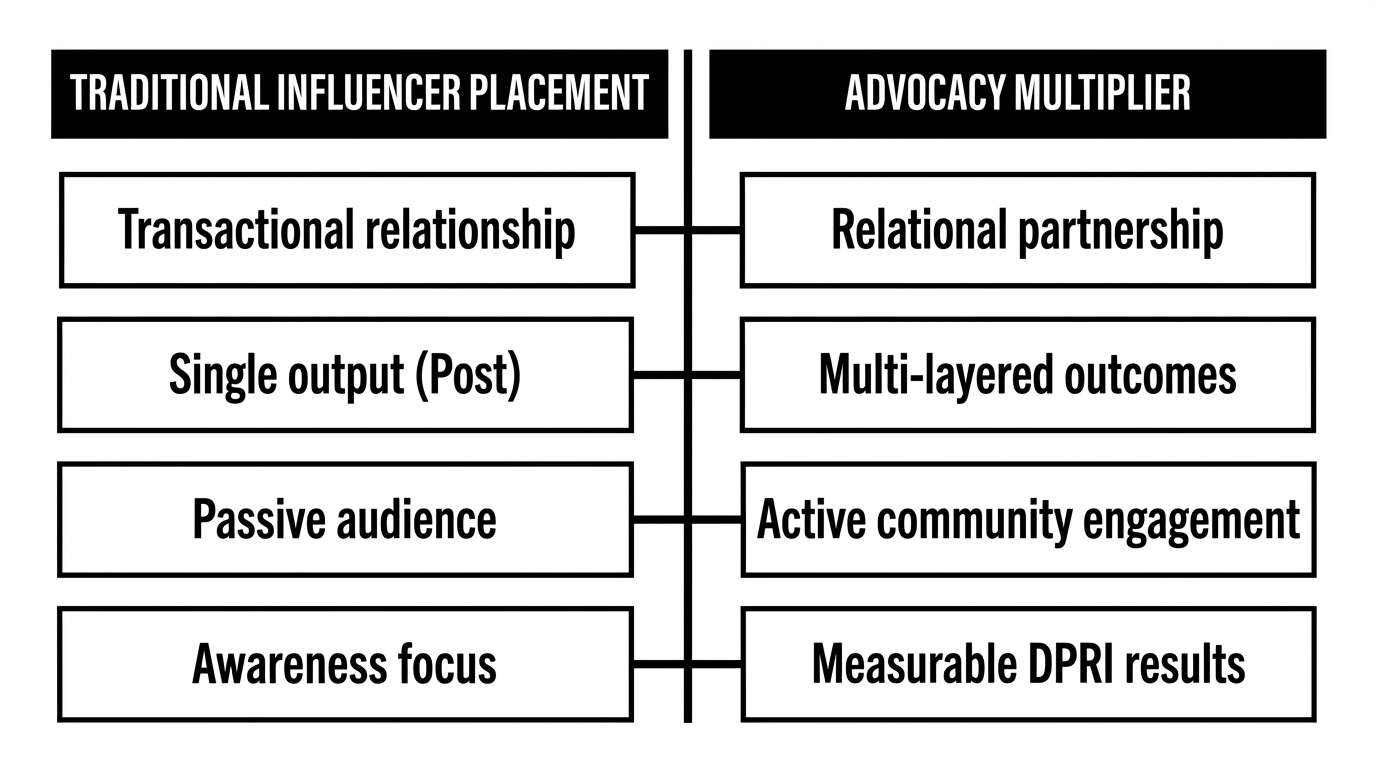
The difference between influencer marketing and advocacy is sustainability. Influencer marketing ends when the contract ends. Advocacy creates ongoing content and community. The Revolt Motors campaign, for example, generated over 20,000 pieces of user-generated content through an advocacy engine rather than just paid placements.
Chapter 8 Toolkit: Effective Influencer Engagement
Exercise: Campaign Design
Design a micro-influencer campaign. Define your goal, target tier, key message, and how you will track success.
Exercise: Outreach Practice
Write an outreach message to a micro-influencer. Keep it under 100 words and personalize it to their specific content.
DPRI CONNECTION
Influencer Marketing drives UGC volume, social engagement, and referral traffic. Successful advocacy campaigns can drive a significant percentage of a brand's organic traffic and sales.
Next: Having explored individual channels, Chapter 9 provides the blueprint for bringing them together into a single, cohesive integrated marketing campaign.